Read Anatomy Notebook: Andreas Vesalius - Base of Brain - Premium College Ruled Notebook 110 Pages - file in PDF
Related searches:
1181 165 4759 448 64 4288 2365 1111 4108 1577 3171 360 4024 777 1012 1201 1348 2938 50 4771 742 3696
Anatomy notebook: human spine - andreas vesalius anatomy art college ruled notebook 110 pages (andreas vesalius white cover) [anatomy notebooks] on amazon.
This person was 16 th century flemish anatomist andreas vesalius. He is often considered the founder of modern human anatomy and was able to help teach correct anatomy through his dissections. During the middle ages, due to most christian beliefs, human dissection was illegal.
Andreas vesalius, also called andries van wesel, studied anatomy during the sixteenth century in europe. Throughout his career, vesalius dissected numerous human cadavers, and took detailed notes and drawings of the human anatomy.
Andreas vesalius, (latin), flemish andries van wesel, (born december 1514, brussels [now in belgium]—died june 1564, island of zacynthus, republic of venice [now in greece]), renaissance physician who revolutionized the study of biology and the practice of medicine by his careful description of the anatomy of the human body.
Vesalius (born in brussels, 1514-1564) is one of the foundation stones of modern medicine. Forsaking the study of anatomy by reading the ancients, he instead dissected bodies and drew detailed illustrations of his observations. He was enormously influential in the development of modern medicine.
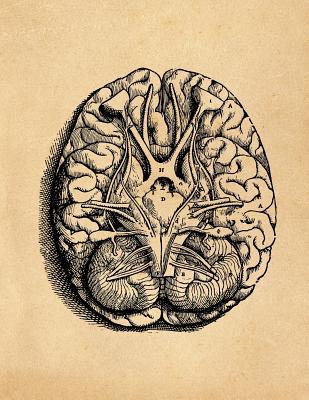
Results 1 - 16 of 123 anatomy notebook: brain and cerebellum - andreas vesalius anatomy art college ruled notebook 110 pages: 26 (andreas vesalius.
In - buy anatomy notebook: skinless man muscles 12 - andreas vesalius anatomy art college ruled notebook 110 pages: 34 (andreas vesalius.
Andreas vesalius (1514-1564) and the books that made the father of anatomy born 500 years ago, andreas vesalius has iconic status in the history of science. Cambridge university library holds several copies of the remarkable books that he published to revive the lost art of anatomy and promote his own career as a physician.
Andreas vesalius the reformerofanatomy w9u by jamesmooresball,m.
Andreas vesalius, the reformer of anatomy by james moores ball.
Apr 30, 2012 instead, in 1543, the flemish anatomist andreas vesalius published his treatise notebook now in the royal collection, known as 'anatomical.
Andreas vesalius was a belgian born anatomist and physician, born in 1514 into a family of physicians. He is considered the father of modern anatomy and his work the beginning of modern medicine.
Andreas vesalius (/ vɪˈseɪliəs /; 31 december 1514 – 15 october 1564) was a 16th-century flemish anatomist, physician, and author of one of the most influential books on human anatomy, de humani corporis fabrica libri septem (on the fabric of the human body). Vesalius is often referred to as the founder of modern human anatomy.
Vesalius is also considered the first to write a complete book on human anatomy. Called 'de humani corporis fabrica libri septem� or fabrica for short, it was published in 1543 and contained.
A young flemish anatomist changed all that when he realized that galen was dramatically wrong. Andreas vesalius (1514-1564) started out his career as a defender of “galenism” at the university of paris. But when he moved to the university of padua, he began dissecting corpses for himself to show his students the fine details of anatomy.
May 15, 2018 in: the fabrica of andreas vesalius it was a hand-colored copy of the anatomy atlas whose printing he saw to completion a few actual material traces of reading in books, notebooks, and commonplace books, examining.
Andreas vesalius (1514-1564) is considered the father of modern anatomy, and an authentic representative of the renaissance. His studies, founded on dissection of human bodies, differed from galeno, who based his work on dissection of animals, constituted a notable scientific advance.
Andreas vesalius accomplished a great deal, over the course of his extraordinary life in medicine and physiology. During his life, he made contributions that changed both of those fields forever. To consider where we stand in the present with both medicine and physiology, we must look to the accomplishments of andreas vesalius.
Andreas vesalius (1514-1564), a physician and anatomist, cited one of the greatest publication on antiquated anatomy in the early modern period “de humani corporis fabrica libri septem”. This book challenged the views of anatomical structure and practices known in ancient times comparing both female and male internal structures.
This 6 x 8 spiral notebook features the artwork andreas vesalius, flemish anatomist by science source on the cover and includes 120 lined pages for your.
Anatomy notebook: muscles 19 - andreas vesalius anatomy art college ruled notebook 110 pages: 3 andreas vesalius white cover: amazon.
It is andreas vesalius, not leonardo da vinci, that is known as the father of and detailed notebook entries of anatomy years before vesalius was even born.
In 1543, belgian physician andreas vesalius published one of the most influential books in medical history.
Born in brussels and trained in anatomy at the university of padua (where he would return to teach), vesalius became the leading figure in the renewed practice of human dissection. He produced two seminal texts, tabulae sex (six plates, 1538) and de humani corporis fabrica (the fabric of the human body, 1543).
Anatomy notebook: andreas vesalius - brain and cerebellum - premium college ruled notebook 110 pages, isbn 1090594003, isbn-13 9781090594006, brand new, free shipping.
Andreas vesalius, renaissance artists, and experimental anatomy.
Andreas vesalius, the father of modern anatomy and a predecessor of neuroscience, was a distinguished medical scholar and renaissance figure of the 16th century scientific revolution. He challenged traditional anatomy by applying empirical methods of cadaveric dissection to the study of the human body.
Lithograph (1848) of andreas vesalius standing before a dissecting table with a cadaver.
Who was andreas vesalius? andreas vesalius was a 16th century flemish physician, widely referred to as the founding father of the modern human anatomy. He was a major figure of the scientific revolution and his greatest achievement was that of reintroducing human anatomy and its importance to the people.
The belgian anatomist andreas vesalius was among the first to dissect his seven-volume text de humani corporis fabrica (the structure of the human body), published in 1543, began the modern science of anatomy.
16th century physician andreas vesalius in 1543, belgian physician andreas vesalius, then just 28 years old, published one of the most influential books in medical history. The seven-volume tome also happened to be a work of art and a marvel of renaissance book production.
Post Your Comments: