Read Online The Protestant Theological and Ecclesiastical Encyclopedia, Vol. 2: Being a Condensed Translation of Herzog's Real Encyclopedia, with Additions from Other Sources (Classic Reprint) - Johann Jakob Herzog | ePub
Related searches:
Protestant Theology and Apocalyptic Rhetoric in Roger - JSTOR
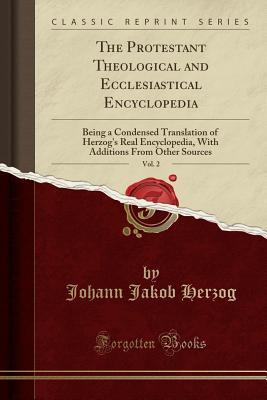
The Protestant Theological and Ecclesiastical Encyclopedia, Vol. 2: Being a Condensed Translation of Herzog's Real Encyclopedia, with Additions from Other Sources (Classic Reprint)
Protestant Theology and Religious Studies as subject in the
Scripture and Tradition: The Case for Protestant Theological
7 Key Differences Between Protestant and Catholic Doctrine
The American Protestant Theological Seminary and Missions: An
The Theological and Geographical Origins of Protestantism in
Grace in Protestant and Catholic Theology - William Hemsworth
Justification and the Protestant Reformation - The Gospel
The Protestant Revolution in Theology, Law, and Community
The Protestant Theological and Ecclesiastical Encyclopedia: Being
Bonhoeffer's Theological Formation: Berlin, Barth, and Protestant
From the Author: Phillip Cary’s “The Meaning of Protestant
Protestant and Catholic, what is the difference? carm.org
CTS Commemorates the Protestant Reformation and the Civil Rights
History of Protestant Theology- Wipf and Stock Publishers
Protestant Theology and the Making of the Modern German
Matthew Levering on Catholic Theology, the Reformation, and
The Theology of Puritanism and Protestant Scholasticism
The Meaning of Protestant Theology: Luther, Augustine, and
(PDF) Martin Luther and the Protestant Reformation Paul A
Dürer and the Reformation - SMU
Spiritual Companioning: A Guide to Protestant Theology and
Apocalyptic and the Future of Protestant Theology
Natural Law and the Protestant Moral Tradition - The
The Reformation and the Rise of Science - ABC Religion & Ethics
Religion and Social Change in Protestantism and Liberation
Ever Reforming: Dispensational Theology and the Completion of
Jesuit Liberation Theology and the Proper Biblical Protestant
Women and Theological Writing During the Reformation - ELCA
2056 2265 2126 3376 3679 3826 1294 4441 4723 4023 2881 4173 4028 4194 2245 4455 3846
The protestant theological and ecclesiastical encyclopedia: being a condensed translation of herzog's real encyclopedia, volume 1 the protestant theological and ecclesiastical encyclopedia: being a condensed translation of herzog's real encyclopedia, john henry augustus bomberger: contributors: johann jakob herzog, john henry augustus bomberger.
The theology of protestant scholasticism� protestant scholasticism/orthodoxy has longed been viewed as an era of theological systematization and spiritual stagnation following the vibrant creativity of the 16 th century reformers. In the years following the reformation (principally, 1559-1622), calvinists, lutherans, and roman catholics found.
In 1529 luther met with the swiss reformer ulrich zwingli at marburg, in order to attempt an agreement on theological matters and thus unify protestant theology. Of the fifteen points presented, all were agreed bar one: the doctrine of the presence of christ in the eucharist.
The apocalyptic theology on display in militant grace is a biblical theology of sorts, and precisely as such is it a protestant theology. What militant grace offers at every turn is, to borrow a phrase which begins each of ziegler’s six theses in chapter 2, “a christian theology funded by a fresh hearing of new testament apocalyptic.
Theological liberalism, a form of religious thought that establishes religious inquiry on the basis of a norm other than the authority of tradition. It was an important influence in protestantism from about the mid-17th century through the 1920s.
Mar 1, 2010 it is accurate to insist that the reformation controversies with the catholic church were foremost theological-ecclesiastical and not ethical.
The theology of grace developed from apostolic times to the present, but the concept of it being a gift has remained. However, in the 16 th century there was a sharp divergence in the concept of grace. The protestant reformers held to a different view of man that had been taught for the first 1500 years of the church.
Göttingen's theological faculty also offers two more disciplines- religious studies and jewish studies.
This chapter examines the simultaneous rejection and endorsement of natural theology within protestantism, focusing on two contentious issues representing.
The theological edifice of modern experiential protestantism: schleiermacher, kierkegaard, and palmer's reconstruction of nineteenth century pietism.
Jesuit liberation theology, along with its purely secularist counterpart, has of course reached far beyond the confines of jesuit educational institutions. This theology and this philosophy has come to dominate every major institution in the usa, including most of the professing protestant christian church.
Aug 31, 2017 but sola fide and sola scriptura, the convictions that faith alone leads to salvation in heaven and that the bible is the sole source of legitimate.
Writing and exercising a public theological voice without a recognized place in the world of theology, katharina schütz zell, argula von grumbach, marie dentière, and olimpia morata are protestant women who stretched the domestic calling designed for women and expanded the holy maternal calling to include caring of the word and with the word.
In the process, bonhoeffer not only distinguished himself from both karl barth and karl holl, whose dialectical theology and luther interpretation respectively were.
The protestant theology faculties in france are independent institutions of higher education awarding their own diplomas. Strasbourg is a case apart and is still bound by the concordat agreement between church and state.
Nov 2, 2017 five hundred years ago, martin luther changed christianity — and the world.
The present workseeks, under the guidance of the spirit of evangelical catholicity, to furnish the historical evidence thatevangelical protestant chris.
Of god and to provide an education in this truth in all branches of theology. Of the great protestant reformation, especially the reformation of john calvin.
Nineteenth-century protestant thinkers be made available again to theological students and general readers.
This essay will highlight the intellectual context of the protestant reformation and survey the leading theological emphases of the movement: sola scriptura, sola.
Oct 8, 2014 with the theological doctrine of justification by grace through faith alone, protestants must discover some social principle to organize their.
Protestant theology is the reflective and scientifically responsible discourse on god from a protestant perspective.
The protestant reformed churches have from the very beginning recognized the need for a theological school in which men could be prepared for the ministry of the gospel of jesus christ. The establishment of a separate seminary was closely connected with the reasons for the organization of the protestant reformed churches.
In theological terms, we’re watching the post-protestant elect wrestle power away from the more secular elite, which long paid lip service to the creed of social justice but never really evinced.
So the protestant piety of the word, centered on the gospel, is a gift to the whole christian tradition. The gospel is a word with saving power because it gives us christ. This key concept explains why the practice of preaching has been at the heart of protestant theology.
Puritan theology remained the dominant theology in new england from the time of the first settlement in 1620 to american independence in 1776 and beyond. But the moral and political content of that theology shifted dra matically during that time.
Protestantism, christian religious movement that began in northern europe in the early 16th century as a reaction to medieval roman catholic doctrines and practices. Along with roman catholicism and eastern orthodoxy, protestantism became one of three major forces in christianity.
By liberal theology i mean the movement in modern protestantism which during the nineteenth century tried to bring christian thought into organic unity with the evolutionary world view, the movements for social reconstruction, and the expectations of “a better world” which dominated the general mind.
So, when we talk about reformed theology as distinctive to differentiate it from dispensational theology, lutheran theology, or whatever other particular theology we’re talking about, we acknowledge that there is a common core of doctrine among all these different groups.
Martin luther’s nailing of his ninety-five theses to the door of the wittenberg church on that day in 1517 has proven to be one of the most important events in the history of the world. Indeed, many evangelicals trace their beginnings to this moment that launched the protestant movement, of which we consider ourselves heirs.
The core of protestant teaching lies within the five solae (latin: ‘alone’), which provide a summary of protestant theology. Essentially, protestantism is characterised by emphasis on the bible as the sole source of infallible truth and the doctrine of salvation by grace through faith alone (these are known as the formal and material causes.
More to the point, the conference was called to address growing political concerns of unity, but at the heart of this issue was the need for religious harmony. A unified protestant theology was needed to reconcile the differing views within the movement, particularly between luther and zwingli.
Justification was the central doctrine of the christian faith for martin luther, and his articulation of it set the terms for the sixteenth-century debates between catholicism and protestantism. It drove a theological and liturgical revolution and also raised numerous biblical and pastoral problems.
Discover the best protestant christian theology in best sellers. Find the top 100 most popular items in amazon books best sellers.
The theological redefining of poverty, accompanied by a widespread contempt of begging, created a reinvigorated need to discern those ^deserving of relief from those who were undeserving. This shift is demonstrated in the common chest ordinances of sixteenth-century german-speaking protestant cities.
This book offers a creative and illuminating discussion of protestant theology. Veteran teacher phillip cary explains how luther's theology arose from the christian tradition, particularly from the spirituality of augustine. Luther departed from the augustinian tradition and inaugurated.
Mar 27, 2018 on wednesday, april 4, christian theological seminary is convening the community for reflection and discussion of two world-changing.
Like other movements throughout history, the protestant missionary enterprise arose out of zealous activism, and only later turned to reflective analysis.
The episcopal church is only one example of a liberal protestant denomination that now ordains homosexual bishops. Many in their ranks also now deny the physical bodily resurrection of christ and the divine inspiration of the scriptures. The following is from theology for the third millennium by hans kung:.
Talking about mary can feel dangerous, especially if you are a protestant who adheres to protestant orthodoxy. Sure, we sing about mary at christmas, feel her pain on good friday, and maybe even read a little about her in the gospels.
Protestant theology at the crossroads examines contextual theology, in which particular cultural heritages, race and gender, economic conditions, and the structure of social life inform the teachings of the faith rather than vice versa. How, for example, do we approach the crisis in american self-understanding caused by terrorism?.
The third motivating factor behind protestant conversions to rome is the anti-sacramental impulse of many evangelical churches. Against churches which offer unadorned preaching of the word and a means of grace that is either overly cerebral or subjective, christian smith writes:.
Kastan: ghosts were a sort of flashpoint, i would say, for early modern christians, whether catholic or protestant, because the reality or the non-reality of ghosts is the place where the two theological distinctions become visible.
The protestant theological university (pthu) is a university of theology, located in amsterdam and groningen. The pthu stands for solid and relevant theological education and research into developments in faith, church and world christianity.
Few institutions have been as influential as the german universities of the 19th century in shaping the modern academy and in setting the agenda of modern christian theology. This book examines the rise of the modern german university from the standpoint of the protestant theological faculty, focusing on the university of berlin (1810), prussia.
Luther founded his theology on the bible and more specifically on the epistle of paul to the romans, as far as salvation through god’s grace and not through one’s deeds was concerned. Lutheran churches, but other protestant churches also embraced it and its principles.
The albanian protestant movement has both a theological and a geographical origin. Theologically, the movement could only begin after parts of the bible were.
The faculty of protestant theology at the wwu is among the largest schools of its kind in germany.
The meaning of the term “evangelical” is commonly used to describe protestant churches that stress evangelization, or converting non-christians to faith in jesus�.
The notion of antichrist ws utilized by the protestant reformers to embody the papacy and its instruments.
Protestant theology has historically rejected marriage as sacrament, as a consequence, the protestant tradition inherited problematic theological bases that.
Protestant theology is a diverse subject as both content and methodology can also be found in linguistics, cultural studies, history, social sciences, philosophy and pedagogy. The diversity of methods enables students to analyse the plethora of different topics, issues and research topics of the individual theological sub-disciplines.
On october 31, 1517, martin luther purportedly nailed his 95 theses to the door of the wittenberg castle church, thus marking the beginning of the protestant reformation—a movement that was to permanently divide western christendom. But it’s important to understand that luther’s act did not come out of nowhere.
Assistant professor of theology and religious education at xavier.
The reformers also did not play special revelation off against general revelation, as tends to happen today, both were considered legitimate forms of revelation that served distinct roles in theology. This is why the modern protestant rejection of natural law in favor of supernaturally revealed legal or moral instruction is skewed in relation.
For 200 years, virginia theological seminary has been at the forefront of international anglican witness and education. The center for anglican communion studies is an integral part of that witness, making available scholars and scholarship in the service of a reconciling intercultural anglicanism.
This idea didn’t die in twentieth-century protestant thought, but it fell on hard times. During the opening decades of the twenty-first century, interest in natural law has suddenly sprung to life again in many protestant circles. This is an encouraging development—from historical, philosophical, and theological perspective.
The protestant reformed theological journal is published twice annually and is free to those who request their names to be placed on our mailing list.
The term “reformed theology” has a range of meanings in contemporary church life and theology. It can be used to refer to the beliefs of any protestant movement that adheres to a broadly anti-pelagian understanding of salvation, as, for example, in the young, restless, and reformed phenomenon.
Protestant reformation the protestant reformation was a major 16th century european movement aimed initially at reforming the beliefs and practices of the roman catholic church� its religious aspects were supplemented by ambitious political rulers who wanted to extend their power and control at the expense of the church.
The protestant reformation is the movement against the roman catholic church that sought to return to biblical theology and avoid the excesses of unbiblical doctrines within catholicism. On october 31, 1517, martin luther, a roman catholic priest, nailed his 95 theses to the wittenberg door in germany.
These are the principles that drove the protestant reformation of the 16th century and separated it from the roman catholic church. These four points of doctrine are based entirely on the bible and were the theological driving force behind the newly formed protestant movement.
Feb 18, 2020 news: phd application procedure at the protestant theological faculty, johannes gutenberg-university, mainz.
Protestant theology involves academic reflection of the christian faith.
The protestant theological university (pthu) is a university for a theology based on a religious view of life, located in amsterdam and groningen.
Protestantism is essentially evangelical in its theology and practice. Protestant thought is concerned with the fulfilling of the great commission in the world according to the scriptures. So, the evangel of god is the living legacy of protestantism.
Protestantism, movement that began in northern europe in the early 16th century as a reaction to medieval roman catholic doctrines and practices. Along with roman catholicism and eastern orthodoxy, protestantism became one of three major forces in christianity.
The protestant v catholic conflict has defined irish history since the 16 th century and has led to innumerable conflicts. Northern ireland was a protestant state and the catholic minority suffered a great deal of discrimination.
This is the protestant revolt - series overview by upholding the truth on vimeo, the home for high quality videos and the people who love them.
In this collection of essays, prominent protestant theologians examine and commend the work of the pope emeritus.
Protestant theology saw the bible as its basic set of texts and, often, the only norm and source for theology. Many thinkers, with their churches, were ready also to accept the main themes and modes of early christian orthodoxy from the creed-making period.
Protestants often express the idea that salvation is by faith alone, through grace alone, in christ alone. This assertion views justification as specific point upon which god declares that you are righteous—a point where you enter into the christian life.
Biblical theology is more in the category with systematic theology so to speak. Where systematic theology sets out categories and asks what does the bible as a whole say about each category, biblical theology asks what are the theological themes in the old testament, in the new testament, in paul's letters or in a single book like james.
A degree in protestant theology is more than just preparation for the rectory or a teaching degree: studying theology.
Do you like to think about god and 'the bigger picture'? the extremely diverse study of theology lets you do exactly.
The protestant theological faculty training team has four members. Lecturer ( charles university, protestant theological faculty, department of theological.
The protestant theological and ecclesiastical encyclopedia by john henry augustus bomberger, johann jakob herzog.
The protestant reformation relocated spiritual and theological authority to scripture. In 14th century england, john wycliffe challenged medieval practices such as absolution, pilgrimages, indulgences, and the doctrine of transubstantiation—the belief that bread and wine become christ’s physical body and blood.
Oct 27, 2017 i've spent my career as a protestant theologian at the university of notre dame and duke divinity school.
There are huge differences between protestant and catholic theologies. Two of the most important differences deal with salvation and mary. In protestant theology, salvation is by faith alone in christ alone, without the contribution of works.
The protestant theological and ecclesiastical encyclopedia [johann jakob herzog, john henry augustus bomberger] on amazon. This book was originally published prior to 1923, and represents a reproduction of an important historical work.
The seminary’s theological position is mainline protestant, and it is recognized as a school that blends spiritual formation with intellectual advancement.
Pastors and lay leaders often use the increasingly popular language of spiritual formation and spiritual practices, yet they sometimes struggle to germinate a culture of honest conversation about the life of faith. Drawing on decades of experience in spiritual direction, congregational ministry, and seminary teaching, this book offers a clear and rich introduction to the theology and practice.
Want to study theology abroad? try our international master's programme.
Essential to protestant theology was its focus and concentration on the bible.
The pre-reformation latin church� in the early 16th century, western and central europe followed the latin church, headed by the pope. While religion permeated the lives of everyone in europe—even if the poor focused on religion as a way to improve day to day issues and the rich on improving the afterlife—there was widespread dissatisfaction with many aspects of the church: at its bloated.
As the book’s subtitle makes clear, cary is concerned not with protestant theology in general, or even lutheran theology in particular, but specifically with martin luther’s defining theological innovation: the “outward turn” to the gospel as “sacramental promise” (145).
Note: this degree programme is being phased out and will be replaced with the master's of theology degree programme.
The holy spirit directly leads christians to theological truth, making scripture and church tradition unnecessary. Scripture is the church’s highest theological authority, and is a sufficient source for the church’s theological beliefs (protestantism). Church tradition is equal in authority to the authority of scripture (roman catholicism and eastern orthodoxy).
Post Your Comments: